
Application of polystyrene insulation panels in food factory construction
Polystyrene insulation panels are a commonly used enclosure material in food processing plants, suitable for food production and storage spaces with requirements for temperature control, moisture resistance, and cost-effectiveness.
With the continuous development of the global food industry, food processing, packaging, and warehousing processes place higher demands on factory environments. A suitable building envelope system not only affects the production environment but also relates to food safety, energy consumption, and enterprise operating costs.
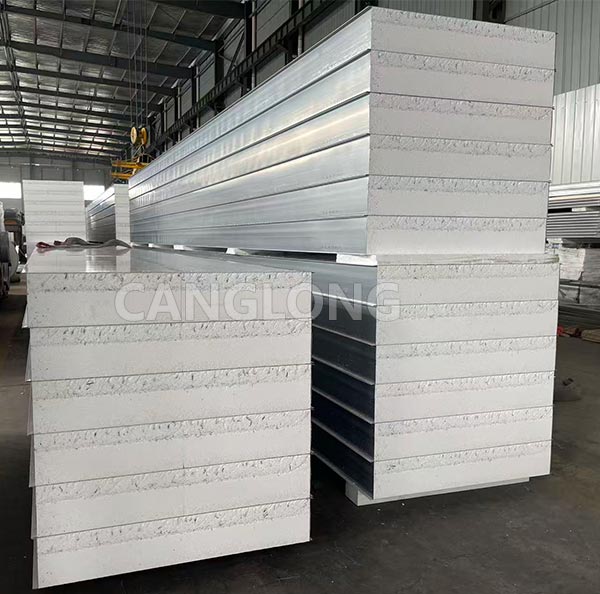
In global food factory construction projects, Expanded Polystyrene color steel composite panels are widely used in various food industrial buildings due to their excellent insulation performance, rapid installation, and high cost-effectiveness.
Why does the food industry need insulation enclosure systems?
Food production has high requirements for the building environment, especially in terms of temperature stability, humidity control, cleanliness, and protection against external environmental influences, requiring reliable building systems.
For example:
- Food processing workshops need to minimize the impact of external temperature changes;
- Packaging areas need to maintain a clean and stable production environment;
- Ordinary food warehouses need to avoid high temperatures and high humidity that could lead to a decline in product quality.
Therefore, food processing plants typically utilize steel structure buildings combined with insulated sandwich panel systems to improve overall building performance.
Main Applications of Polystyrene Insulation Panels in Food Factories
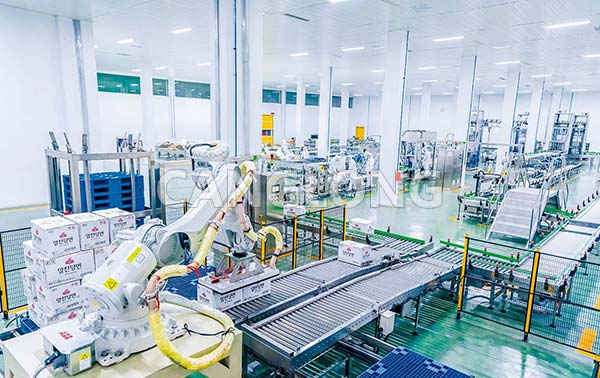
1. General Food Processing Workshops
Polystyrene sandwich panels are suitable for:
- Baking food processing plants
- Beverage production workshops
- Grain processing plants
- Agricultural product processing plants
- Food packaging workshops
These areas typically do not require the low temperatures of cold storage, but do require a certain level of insulation, moisture protection, and a clean environment. Polystyrene insulation panels help reduce heat exchange between indoors and outdoors, improving the stability of the production space.
2. Food Storage Areas
Food companies usually need supporting raw material warehouses and finished product warehouses.
Polystyrene insulation boards can be used for:
- Food raw material storage warehouses
- Packaging material warehouses
- Ambient temperature food warehouses
Compared to ordinary metal panels, EPS sandwich panels have better insulation properties, reducing the impact of solar radiation on the internal temperature of the warehouse.
3. Auxiliary Areas in Food Factories
Besides production areas, polystyrene insulation panels are also commonly used in:
- Office areas
- Changing rooms
- Equipment rooms
- Rest areas
Providing a more comfortable indoor environment for staff.
Why are polystyrene insulation panels suitable for food factory construction?
Economical and efficient, suitable for large-scale industrial projects
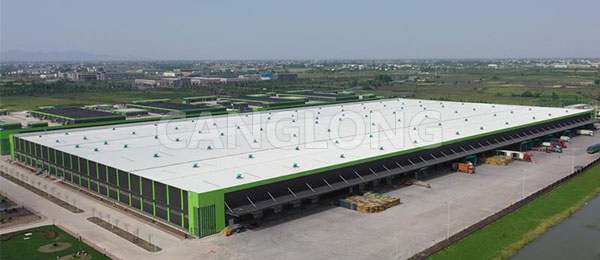
Food companies typically need to quickly construct production spaces while controlling investment costs. Polystyrene sandwich panels have a mature supply chain, fast installation speed, and relatively low overall cost. Suitable for food factory expansions, new factory buildings, and standardized industrial building projects.
Good thermal insulation performance, improving energy efficiency
Food production environments typically require temperature control. EPS core material has a certain thermal insulation capacity, which can reduce heat transfer, lower the load on air conditioning or ventilation systems, improve the indoor working environment, and help companies reduce long-term operating costs.
Higher construction efficiency when combined with steel structure buildings
Modern food factories increasingly adopt steel structure main bodies and EPS sandwich panel enclosure systems. This combination method features factory prefabrication, rapid on-site installation, and a short construction cycle, meeting the rapid production needs of food companies.
How to Choose Between EPS Insulation Boards and Other Food Factory Enclosure Materials?
Different food projects have different building requirements:
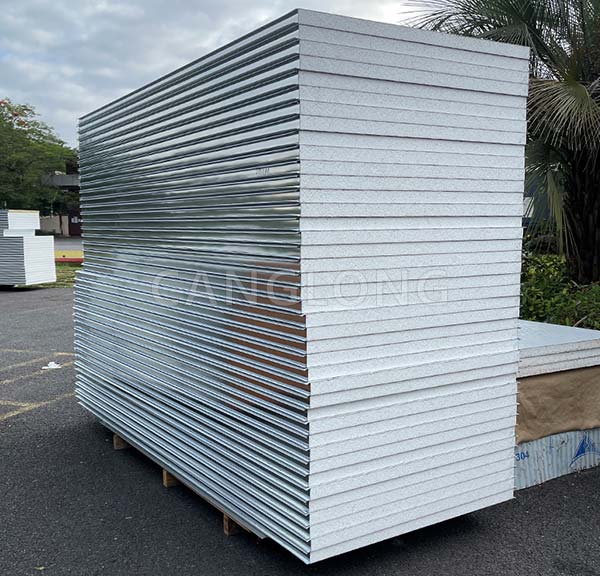
General Food Processing Plants:
Economical and practical, meeting basic insulation needs.
Frozen and Refrigerated Food Factories:
✅ Polyurethane Sandwich Panels
Requires higher insulation performance and lower thermal conductivity.
High-Cleanliness, High-Fire-Resistance Food Factories:
Suitable for scenarios with high fire resistance requirements.
Therefore, the selection of enclosure materials for food factories requires a comprehensive design considering product type, temperature requirements, hygiene standards, local climate, and investment budget.
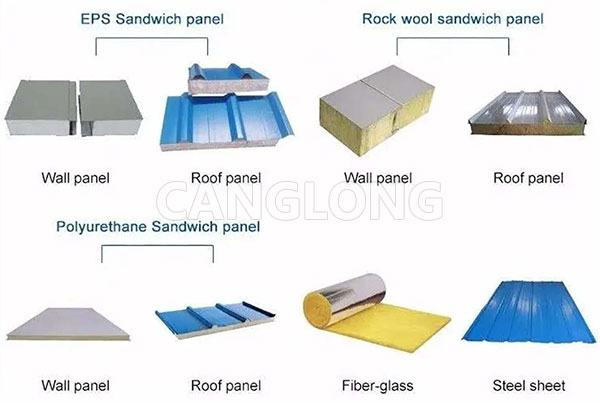
Canglong Group provides integrated solutions for food industrial buildings
For global food industry clients, Canglong Group offers:
✅ Steel Structure Food Factory Design
✅ EPS/PU/Rock Wool Sandwich Panel System Configuration
✅ Factory Manufacturing
✅ International Transportation Services
✅ Installation Technical Support
Based on the food production needs and environmental conditions of different countries, we create more economical, efficient, and reliable industrial buildings for our clients.
From ordinary food processing workshops to large-scale food production bases, the rational selection of enclosure materials is an important foundation for ensuring building performance and the long-term development of enterprises.