
Fire resistance ratings and usage scenarios of polyurethane exterior wall panels
Polyurethane exterior wall panels have become a mainstream choice for building envelope systems due to their excellent thermal insulation performance. However, when choosing these panels, fire safety is the primary factor determining project compliance and the protection of life and property.
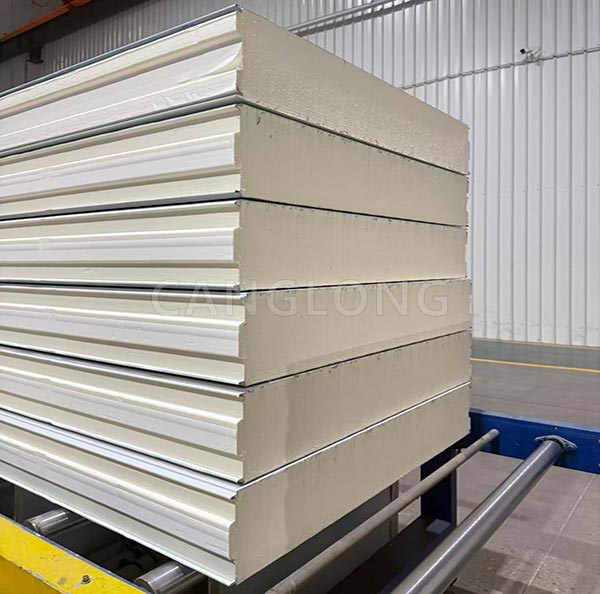
Core Fire Resistance Ratings
Internationally, the European standard Euroclass (EN 13501-1) is widely used for classification, which is the benchmark for measuring the fire resistance performance of polyurethane panels:
Grade | Burning Characteristics | Key Indicators |
|---|---|---|
B-s1, d0 | Difficult to Ignite (Preferred) | Very slow flame spread, almost no smoke, no burning droplets. |
C-s2, d1 | Medium Flame Retardant | Slow burning, less smoke, occasional droplets. |
Class D / E | Combustible | Easily flammable, generally used in low-risk or non-residential buildings. |
Class F | Not Rated | Strictly prohibited for exterior wall systems. |
Key Point: True B1 rating (Chinese standard) or Class 1 (British standard) usually corresponds to Euroclass B. This is the minimum entry threshold for high-rise buildings in most countries.
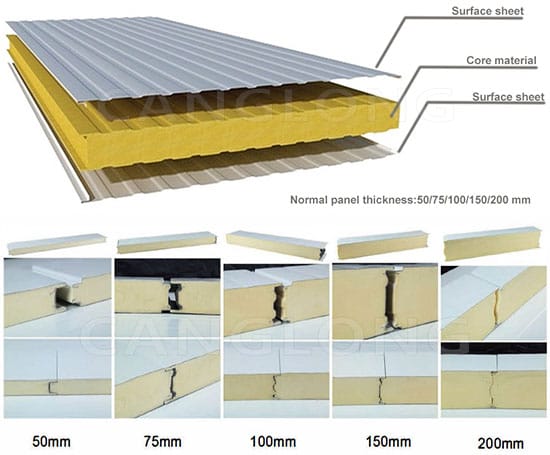
Usage Scenarios and Selection Recommendations
1. Personnel density and super high-rise buildings
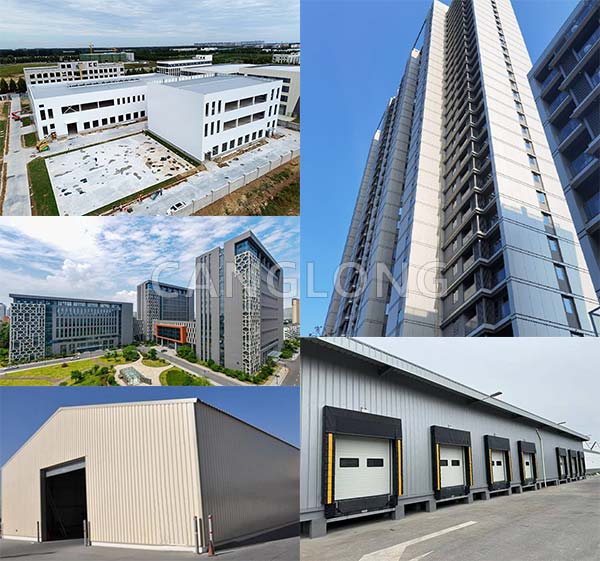
- Applicable places: hospitals, schools, airport terminals, high-rise buildings over 50 meters.
- Material selection requirements: B-S1 and d0 grade must be selected.
Reason: This type of scenario requires materials that not only do not support combustion in a fire, but also have low smoke and non-toxic properties to prevent suffocation and ensure visibility of escape routes.
2. Commercial and public buildings
- Applicable places: shopping centers, hotels, office buildings, sports venues.
- Material selection requirements: B-S1, d0 or C grade.
Reason: Balancing safety and cost. It is required to pass the local fire inspection, and the core material of the board is usually required to be flame-retardant, and the panel (color steel/aluminum plate) must be made of Class A non combustible material.
3. Industry and warehousing
- Applicable locations: warehouses, manufacturing workshops, parking lots, agricultural greenhouses.
- Material selection requirements: C-level or D-level.
Reason: The space is spacious and there are few combustibles. The focus is on meeting basic fire safety regulations while utilizing its high cost-effectiveness and quick installation advantages.
4. Cold chain and clean room
- Applicable locations: cold storage, food processing plants, pharmaceutical workshops.
- Material selection requirements: B-S1, d0 grade (flame retardant polyurethane).
Reason: Although emphasis is placed on insulation and sealing, flame retardancy is the key to preventing the hidden spread of fire within the insulation layer due to the often enclosed environment inside.
Key Procurement Points
Certifications: Always request CE Marking (DoP Declaration), FM Approvals, or UL certification. Reject products without markings.
System Fire Resistance: Pay attention to the tongue-and-groove connection design between panels. High-quality concealed snap-fit connections effectively prevent the lateral spread of fire.
Rock Wool Alternative: If the project is located in an extremely fire-critical area (such as near an oil depot), it is recommended to directly use rock wool sandwich panels (Class A non-combustible).
Summary
Choosing polyurethane exterior wall panels means choosing a balance between safety and energy efficiency. For the vast majority of civil buildings, B-s1, d0 grade is the only recommended safety baseline. Investing in compliant, high-fire-resistant building materials is the wisest decision to avoid legal risks and safeguard the value of a building throughout its entire life cycle.