
Characteristics and applications of PUR insulation board
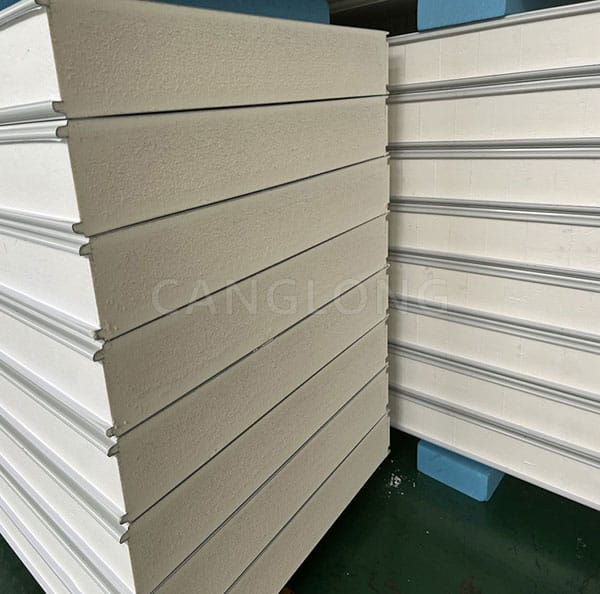
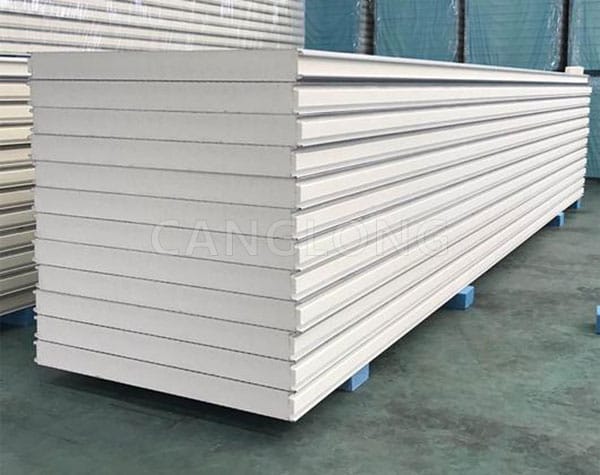
Against the backdrop of increasing demand for building energy efficiency, cold chain transportation, and industrial insulation, PUR insulation board (polyurethane rigid foam insulation board) has become a popular choice across fields due to its excellent performance. It uses polyurethane as the core material and forms a dense closed cell structure through foaming technology, balancing insulation, strength, and durability, redefining the benchmark of modern insulation materials.
Why does PUR insulation board stand out?
Super strong insulation, energy-saving pioneer
The thermal conductivity of PUR insulation board is only about 0.018-0.024 W/(m · K), which is 50% -70% of that of traditional EPS (polystyrene board, about 0.038) and XPS (extruded polystyrene board, about 0.030). The extremely low thermal conductivity means that it can significantly reduce heat transfer, reducing heating/cooling energy consumption by more than 30% in buildings. In cold chain scenarios, it can accurately maintain temperature fluctuations between -40 ℃ and 80 ℃, reducing energy waste.
Lightweight and high-strength, construction friendly
The density is only 30-60 kg/m ³ (about 1/10 of concrete), but the compressive strength can reach 150-500 kPa, equivalent to a load-bearing capacity of 15-50 tons per square meter. Its lightweight yet tough characteristics make it suitable for thin walls, roofs, or old building renovations, reducing structural loads while ensuring long-term stability.
Waterproof and moisture-proof, strong weather resistance
The closed cell rate exceeds 90%, with almost no water absorption and a water absorption rate of less than 1%. It can effectively block water vapor penetration and avoid insulation performance degradation caused by moisture. Whether in hot and humid tropical regions or cold and snowy northern Europe, it can maintain stable performance with a service life of over 20 years.
Flexible customization to meet diverse needs
Customized production can be made based on thickness (20-200mm), size (up to 1.2m × 2.4m), and functionality (flame retardant, UV resistant, antibacterial, etc.). For example, adding flame retardants can achieve B1/B2 level fire protection standards, meeting strict safety regulations.
Application scenarios
1. Building energy efficiency
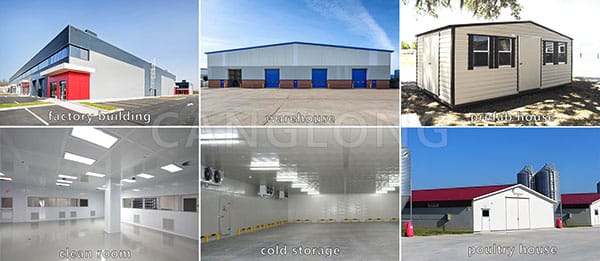
PUR insulation boards are widely used for exterior walls, roofs, floors, and cold bridge treatment in residential, commercial buildings, and public facilities. For example:
In the European passive housing project, as an external insulation layer, coupled with high-performance doors and windows, the goal of zero energy consumption is achieved.
Villas in hot regions of the Middle East can reduce air conditioning energy consumption by up to 40% by laying PUR panels on the roof.
The coal to electricity project in rural areas of northern China is used for wall insulation, resulting in faster and more stable indoor heating in winter.
2. Cold chain logistics
In fields such as fresh food storage, pharmaceutical transportation, and food processing that require extremely high temperature control, PUR insulation board is a key material:
- The walls/ceilings of the cold storage are made of PUR composite panels, paired with metal panels, which provide both insulation and easy cleaning.
- The refrigerated truck body (such as seafood transport vehicles, vaccine transport vehicles) is made of PUR as the core material to ensure temperature fluctuations of ≤ 2 ℃ during long-distance transportation.
- The back panel of the supermarket freezer uses PUR board to reduce the operating time of the compressor and extend the service life of the equipment.
3. Industrial and special scenarios
- The external insulation layer of oil pipelines and chemical storage tanks can withstand extreme temperature differences (-50 ℃ to 120 ℃) and prevent medium solidification or volatilization.
- The insulation and soundproofing cabin walls of high-speed trains/ships can balance insulation and noise reduction, reducing noise by 5-8 decibels.
- The inner tank of the solar water heater reduces heat loss and improves heat collection efficiency.
Summary
With the advancement of the global “dual carbon” goal, PUR insulation board is accelerating the replacement of traditional materials due to its high efficiency and energy-saving characteristics. Although the cost is slightly higher than EPS/XPS, its long-term energy-saving benefits and durability make it a more economical choice. In the future, with the breakthrough of bio based polyurethane technology, the environmental properties of PUR insulation boards will be further enhanced, continuously empowering green buildings and sustainable development.