
How to choose wall panels for steel s in Africa?
When constructing steel plants in Africa, wall panels, as the core of the enclosure structure, directly impact the plant’s durability, energy efficiency, and cost-effectiveness. Due to Africa’s vast territory and significant differences in industrial base and resource endowment among different countries, wall panels selection must consider regional climate characteristics and industry functional requirements.
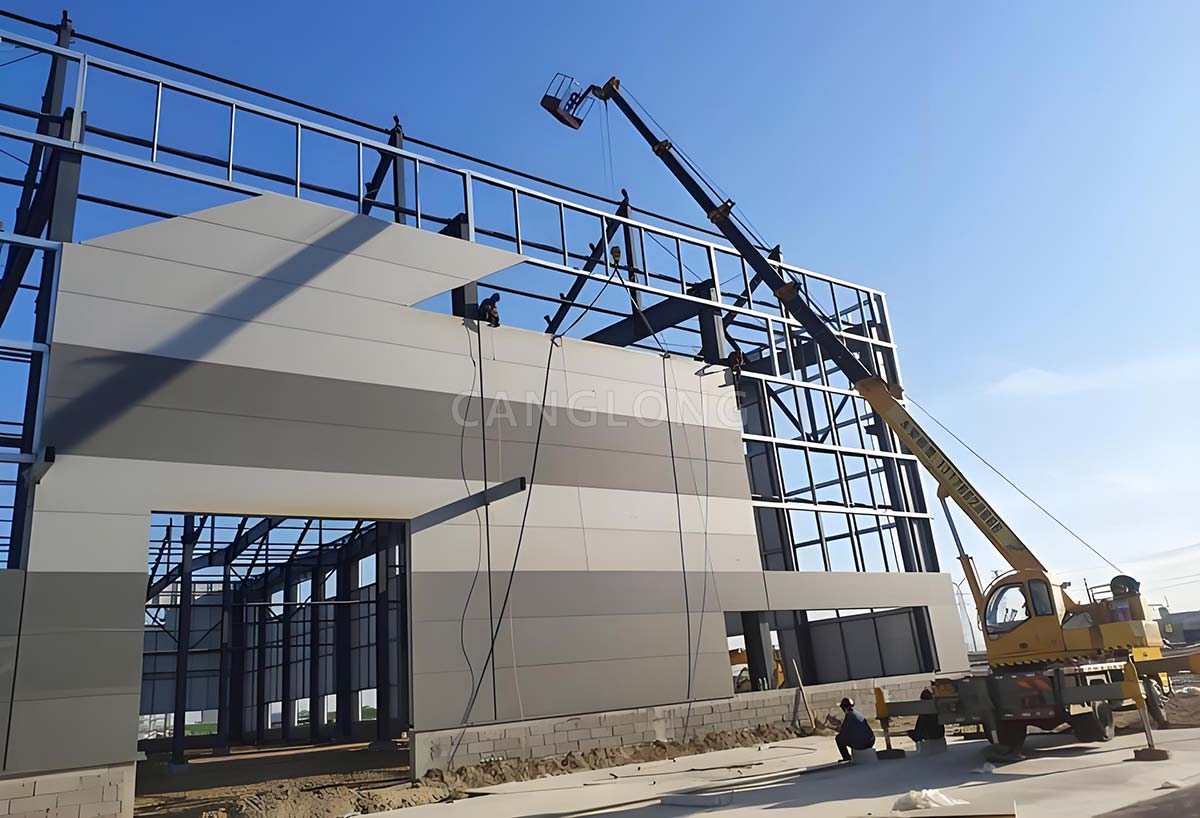
I. African Regional Climate and Core Wall Panel Requirements
Africa can be divided into four typical regions, and climate characteristics directly determine the priority of wall panel performance:
Region | Representative Countries | Climate Characteristics | Core Requirements for Wall Panels |
|---|---|---|---|
West African Coastal | Nigeria, Ghana, Côte d’Ivoire | High temperature and humidity (annual avg. temp. 25-30°C, humidity >70%), long rainy season (May-October) | Moisture-proof, anti-mildew, salt spray resistance (near coasts) |
East African Plateau | Kenya, Tanzania, Ethiopia | Large diurnal temp. variation (10-15°C), distinct dry/wet seasons (short rainy season) | Thermal insulation, UV aging resistance |
North African Desert | Egypt, Algeria, Morocco | Extreme aridity (annual precipitation <200mm), high summer temps (>40°C) | High-temp resistance, wind-sand erosion resistance, low thermal conductivity |
Southern South Africa | South Africa, Botswana, Namibia | Mediterranean climate (cold winters, hot summers); low winter temps (-5°C) in some areas | Thermal insulation, freeze-thaw cycle resistance |
II. Recommended Wall Panels by Region
1. West African Coast (Nigeria, Ghana, etc.): Moisture and mildew resistance are key
Recommended solution: Aluminum-zinc coated steel sheet + PE/PVDF coating (thickness 0.4-0.6mm) + foam sandwich layer (EPS/XPS).
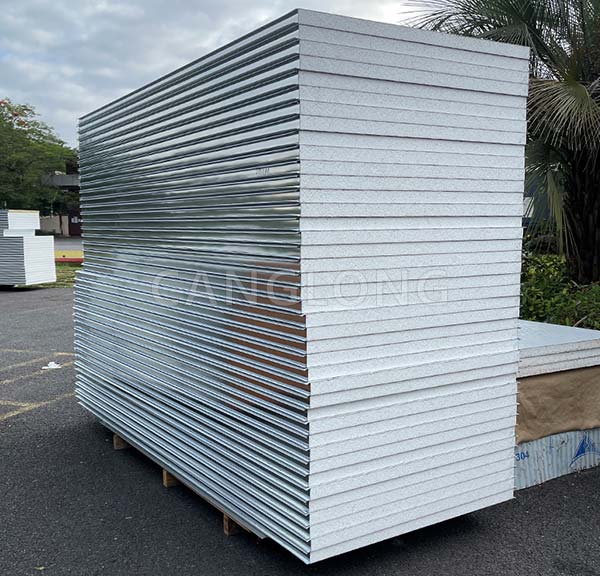
EPS Sandwich Panels
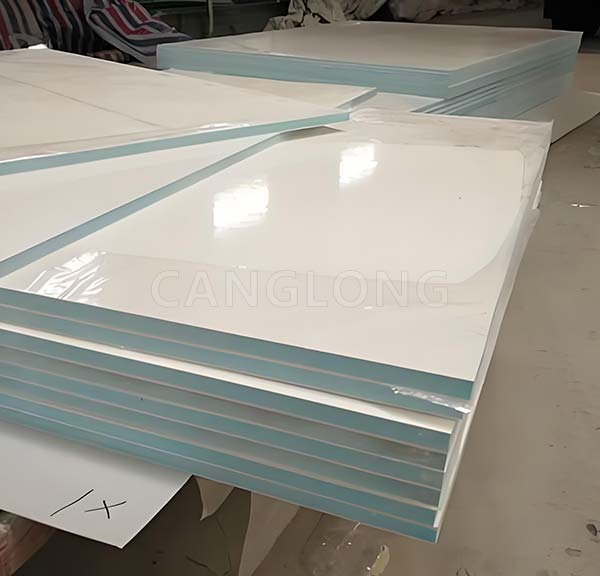
XPS Sandwich Panels
Advantages: The aluminum-zinc coated substrate has strong corrosion resistance, with a lifespan 2-3 times longer than ordinary galvanized sheets; the PE/PVDF coating is UV resistant and acid/alkali resistant; the foam sandwich layer (density 12-16kg/m³) improves moisture resistance, suitable for high-humidity environments.
Suitable for: Food processing plants, electronics assembly plants, agricultural product warehouses.
Note: Avoid pure metal panels; prioritize sandwich panels with breathable membranes to reduce internal condensation.
2. East African Plateau (Kenya, Tanzania, etc.): Thermal insulation is paramount
Recommended solution: Rock wool sandwich panels (core material density 80-120 kg/m³) or polyurethane (PU) sandwich panels (thermal conductivity ≤0.024 W/m·K).
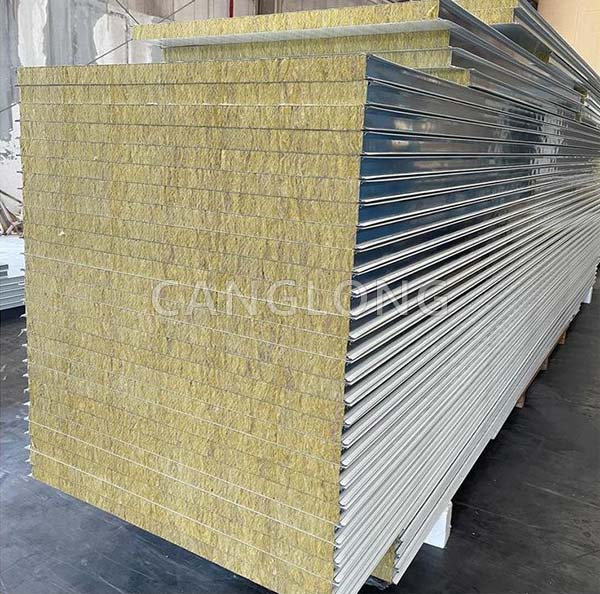
Rock Wool Sandwich Panels
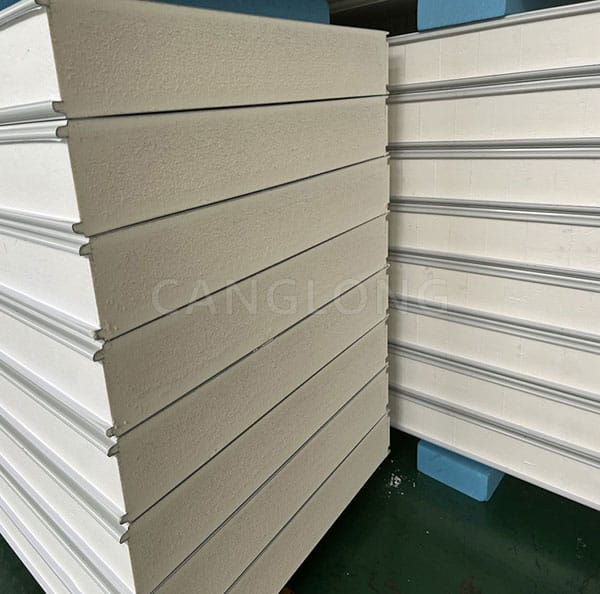
PU Sandwich Panels
Advantages: Rock wool has a Class A fire rating, suitable for industries with high fire safety requirements. PU panels offer excellent thermal insulation (30% higher than rock wool), suitable for high-altitude areas with large diurnal temperature variations. Panel options include color steel plates (0.5mm thick) or aluminum alloy plates.
Suitable for: Textile mills, pharmaceutical factories, cold chain warehouses.
Note: PU panels must be flame-retardant (Class B1) to avoid releasing harmful gases at high temperatures. Rock wool panels require proper edge sealing to prevent rainwater penetration.
3. North African Deserts (Egypt, Algeria, etc.): High Temperature and Sandstorm Resistance
Recommended Solution: Thick-coated color steel plate (front coating ≥20μm PVDF) + High-density rock wool sandwich panel (density ≥120kg/m³).

High-density Rock Wool Sandwich Panel
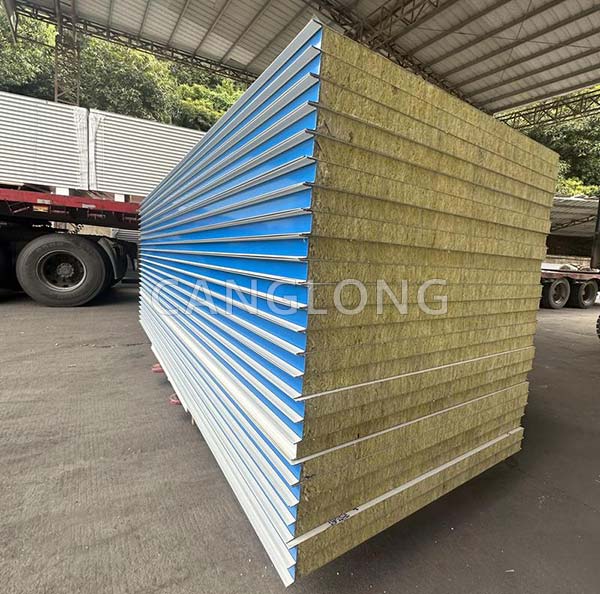
Color Steel Rock Wool Sandwich Panel
Advantages: The PVDF coating has excellent weather resistance, suitable for desert environments with strong sunlight. High-density rock wool has good thermal insulation, which can reduce indoor temperature by 5-8℃ in summer.
Suitable Industries: Cement plants, solar equipment factories, logistics transit warehouses.
Note: Avoid using foam sandwich panels; prioritize metal-faced sandwich panels to reduce thermal bridging.
4. Southern Africa (South Africa, Botswana, etc.): Balanced Insulation and Freeze Resistance
Recommended Solution: Glass wool sandwich panel (thermal conductivity ≤0.040W/m·K) + Aluminum-zinc coated color steel plate (thickness 0.5-0.7mm).
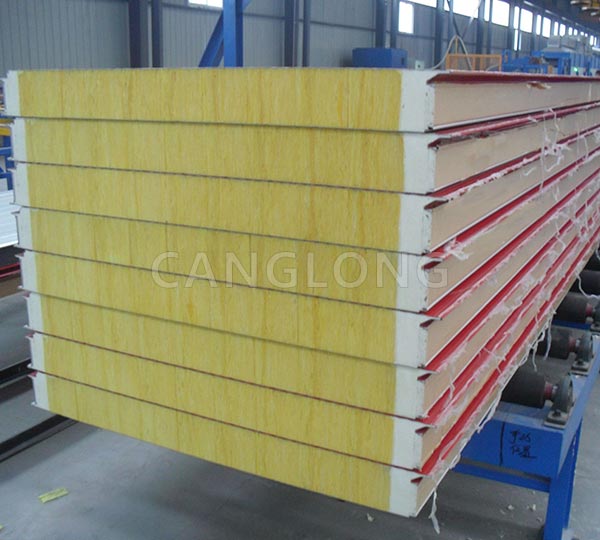
Glass Wool Sandwich Panel
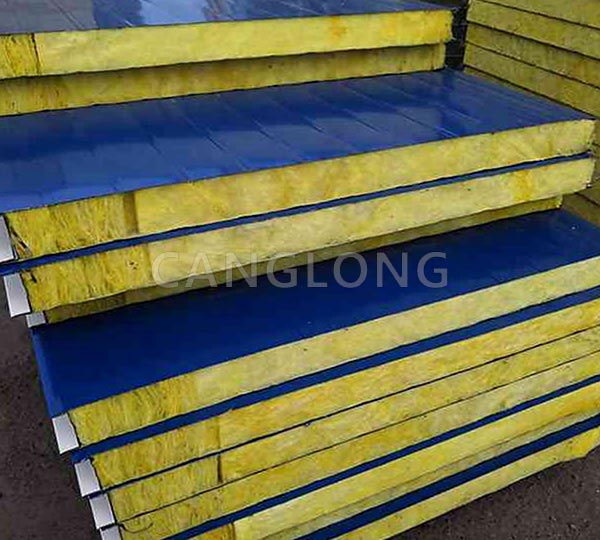
Glass Wool Color Steel Sandwich Panel
Advantages: Glass wool offers stable thermal insulation performance (suitable for temperatures ranging from -50℃ to 300℃) and strong resistance to freeze-thaw cycles. Aluminum-zinc coated steel maintains its toughness at low temperatures and is not prone to cracking.
Suitable Industries: Automobile assembly plants, meat processing plants, precision instrument factories.
Note: In winter, the sealing of joints must be checked to prevent cold air penetration and maintain insulation performance.
III. Special Requirements for Wall Panels by Industry
1. Manufacturing (Machinery, Electronics)
Recommendation: Stainless steel or color-coated steel sheets, paired with rock wool sandwich panels.
Reason: Stainless steel sheets are oil-resistant and easy to clean, suitable for cleanrooms in electronics factories. PVC film color-coated steel sheets are anti-static, reducing dust adsorption.
2. Agriculture and Warehousing
Recommendation: Hot-dip galvanized color-coated steel sheets (zinc layer ≥275g/m²) and polystyrene (EPS) sandwich panels.
Reason: Agricultural warehouses often store grain and feed, requiring protection against moisture and mold. EPS panels are inexpensive (approximately $50-80/m²), suitable for projects with limited budgets.
3. Energy and Chemical Industry
Recommendation: Rock wool sandwich panels and explosion-proof color steel panels.
Reason: Chemical plants, gas stations, and other locations require strict fire prevention measures. Rock wool is a non-combustible material, and its explosion-proof design reduces the risk of sparks.
IV. Key to Cost Reduction and Efficiency Improvement in the African Market
Local Procurement: Prioritize suppliers in Egypt (large color steel panel production capacity) and South Africa (mature sandwich panel technology) to reduce transportation costs.
Certification Compliance: Confirm that products meet African standards (such as South African SABS certification and Nigerian SONCAP certification) to avoid rework due to substandard quality.
Maintenance Costs: Choose aluminized zinc-coated panels in coastal areas and PVDF-coated panels in desert areas to reduce replacement costs later.
Conclusion
The selection of wall panels for steel mills in Africa should be tailored to local conditions. West Africa prioritizes moisture resistance, East Africa prioritizes heat insulation, North Africa prioritizes high-temperature resistance, and South Africa prioritizes thermal insulation. Considering industry characteristics, prioritize cost-effective steel sandwich panels and pay attention to local supply chains and certification compliance. Choosing the right equipment can not only extend the lifespan of a factory, but also reduce long-term operating costs and help develop industry in Africa!